SALINITY & TRANSPORTATION OF FRESHWATER FISH 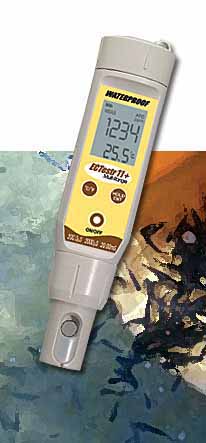
Freshwater fish are saltier than the water they live in.
About 50% of the exposed surface of a fish is permeable to small particles. This is why water quality is crucial to the well-being of a fish. Typically, the bodily fluid of fish contains more minerals and ions than the surrounding water. As a result, there is constant influx of water into the fish through osmosis, diluting its body fluid. In order to maintain their salinity level, fish are constantly excreting urine. At the same time, they absorb salt from the water via special cells in their gills. The constant exchange of minerals and water is crucial for survival of the fish. When fish are stressed, as they are when being shipped, they react by excreting minerals into the water. If this condition persists for an extended period of time, the salt loss can be fatal for the fish. The survival chances of fish can be significantly increased by adding salt to their transport water. Since mineral excretion is directly linked to the concentration of salt in the water, increasing the water salinity reduces salt excretion and stress for the fish. How much salt should be added?
The normal recommended salinity level of transport water is in the range of 0.5-3 ppt. However, the correct salinity level is dependent on the species of fish being transported. Before transferring fish to a salted environment, ensure you obtain the conductivity measurement of the fish’s original habitat. While salted water helps reduce salt loss, and thus stress, during transport; the survival of fish will depend largely on the water condition after transportation. Fish imported in salted water need to be gradually acclimated back to the salinity of their original habitat, which may be as low as 100ppm. Gradual acclimatization should take place over days via a 30% daily water change. A simple test with a salinity, TDS, or conductivity tester, depending on which unit of measurement you are comfortable with, tells you the amount of salt in the water. Use a wide-range tester like the OAKTON® TDSTestr® 11 series which displays temperature simultaneously—very convenient when monitoring the temperature which your fish will need to adjust to after transportation.  | 


